
Support Survivors Like Her
She didn't want to send anything.
Watch
Two minutes on why this campaign matters

- 22%
- of U.S. adults have experienced image-based sexual abuse.
- 46%
- of people under 24 are affected — and AI is accelerating this crisis.
- 10%
- of college students experience it during their undergraduate years.
Sources: Digital Identity Foundation program data; Wake Forest University Safe Office; Thorn, 2025 surveys of young people ages 13–20.
Why Now
The law changed. The work didn't stop.
In 2025, a Texas teenager and her mother turned their own worst month into a federal law — the TAKE IT DOWN Act — requiring platforms to remove non-consensual intimate images within 48 hours of a report. It was a real win, hard-fought, and it matters.
Now, the work of helping survivors like her begins. That's what we do.
Your Gift at Work
What direct help actually looks like
We listen. We help each survivor connect to our sister partner, Protect Privacy AI, where they can set up an account. Together we find out where all of her — or his — images are, and begin the process of removal. If abuse isn't removed within 48 hours, we report to the FTC. In our first two months, we reported over 85 non-compliant sites.
Detection & monitoring
Finding where an image has spread, not just where it started.Removal
Direct platform escalation and hash-matching through StopNCII and partner tools, so a taken-down image can't simply be re-posted.Trauma-informed advocacy
A real person, not a form, guiding a survivor through every step.Campus & law enforcement training
So the people a survivor tells first — a Title IX office, a resident advisor, a police officer — know what to do, free of charge.Survivor-created stories and advice
Written by survivors, available anytime.Support groups and case management
Regular, ongoing, and never on the clock.
Give Today
Support survivors like her
Every tier below funds the Aster Ellis Fund directly — a survivor's scholarship for detection, removal, and support they could not otherwise afford.
- $55One month of weekly monitoring and support for one survivor — give now (opens in a new tab)
- $275One month of support for five survivors — give now (opens in a new tab)
- $550A full year of protection and support for one survivor — give now (opens in a new tab)
- $2,750A full year of safety for five survivors — give now (opens in a new tab)
- $5,500A full year of safety for ten survivors — give now (opens in a new tab)
Unrestricted gifts are especially welcome — they let us put funds exactly where survivors need them most, the week they need them.
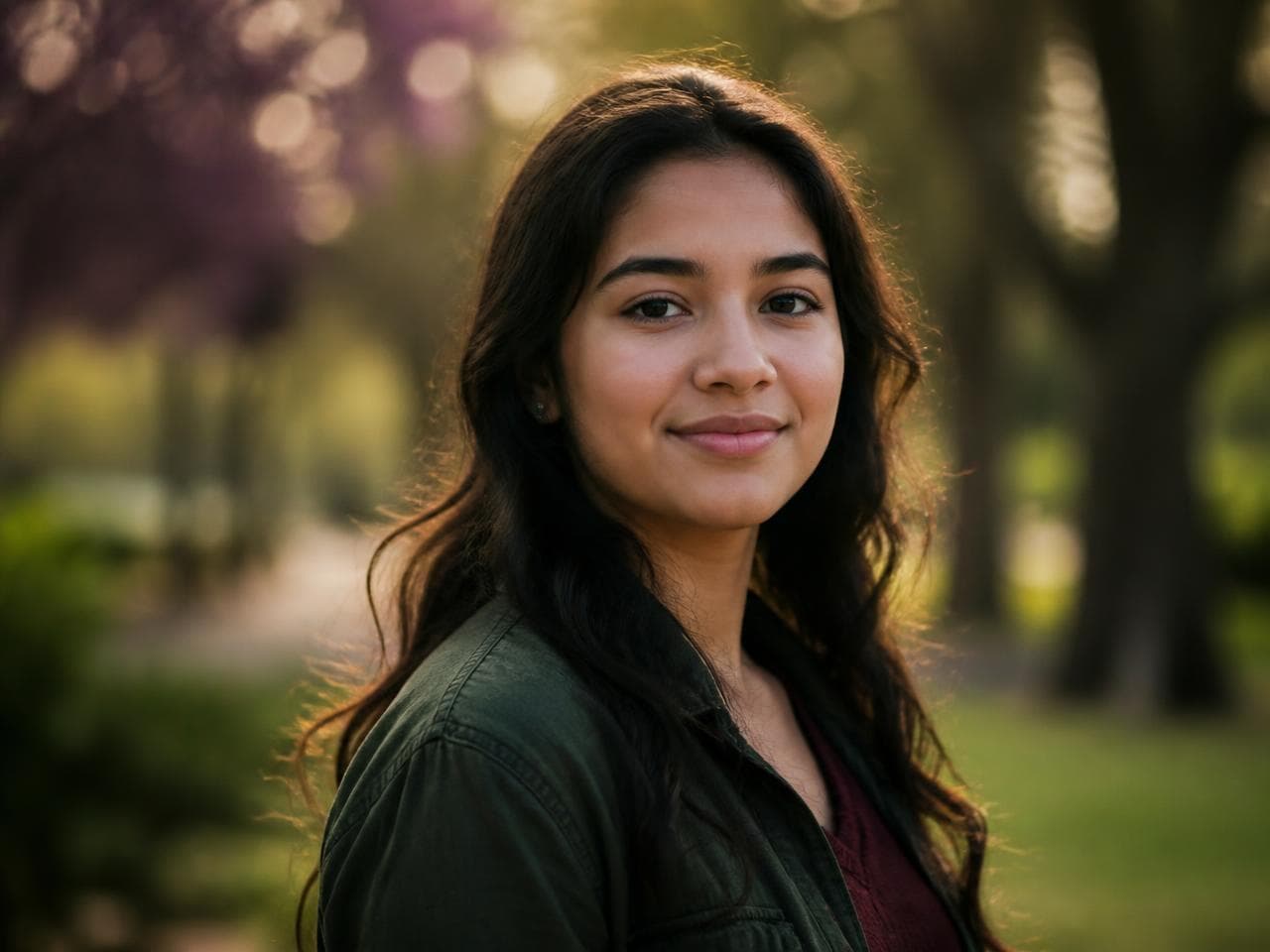
What Happened to Her
This is called sextortion.
It is one of the fastest-growing forms of image-based sexual abuse in the country. It doesn't wait for a victim to make a mistake. It doesn't care if she's fourteen or twenty-four.
For every survivor in this position, there is a path back to safety — detection, removal, and someone at their side through all of it. That path costs money. Survivors should never have to afford their own safety.
“Every survivor deserves true peace of mind. No survivor should face this abuse alone.”
Digital Identity Foundation is a nonprofit corporation (EIN: 42-2919411), incorporated in the state of Delaware. Our application for 501(c)(3) tax-exempt status was filed with the IRS on July 17, 2026, and is pending. Upon approval, tax-deductibility will apply retroactively to the date of incorporation. Please consult your tax advisor.
Representing a brand or foundation? See our partnerships page